How location routing works today
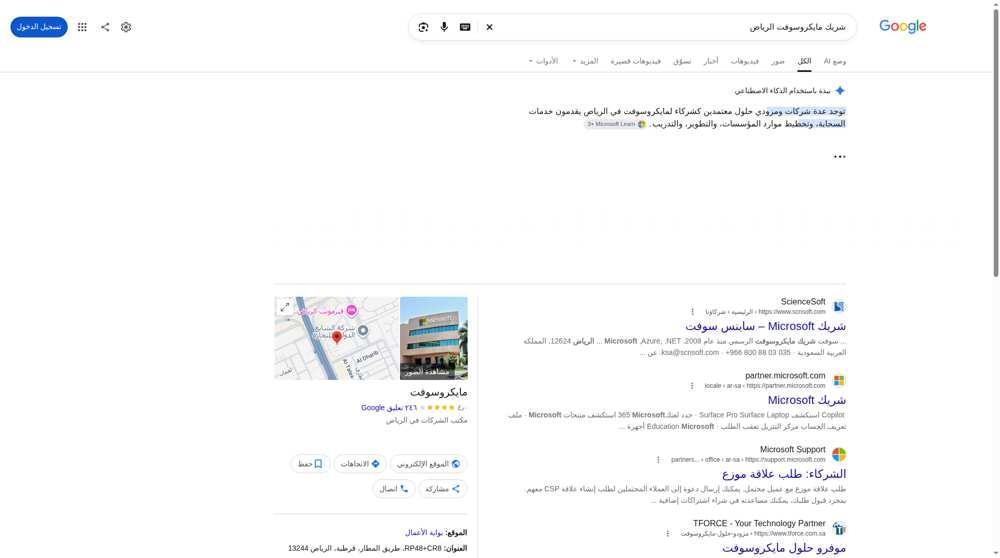
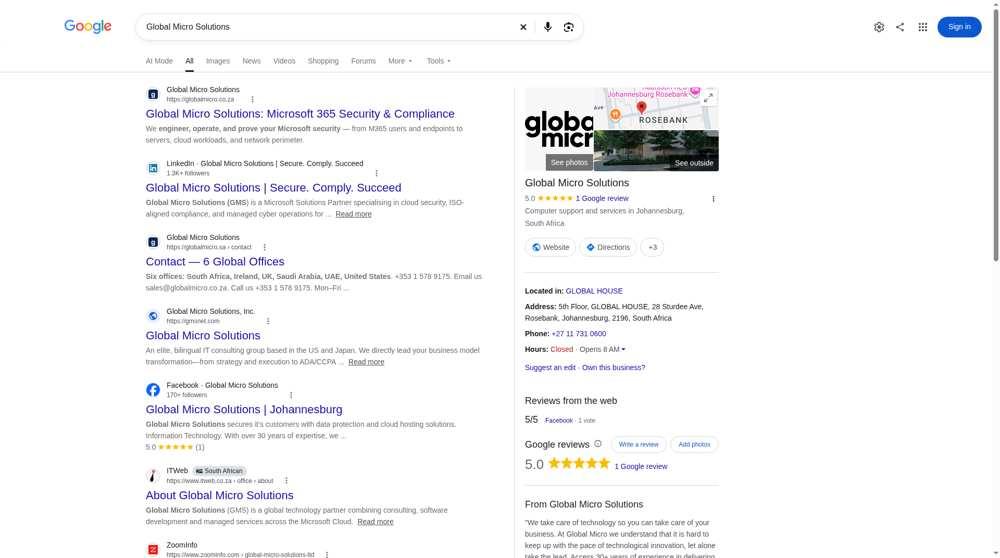
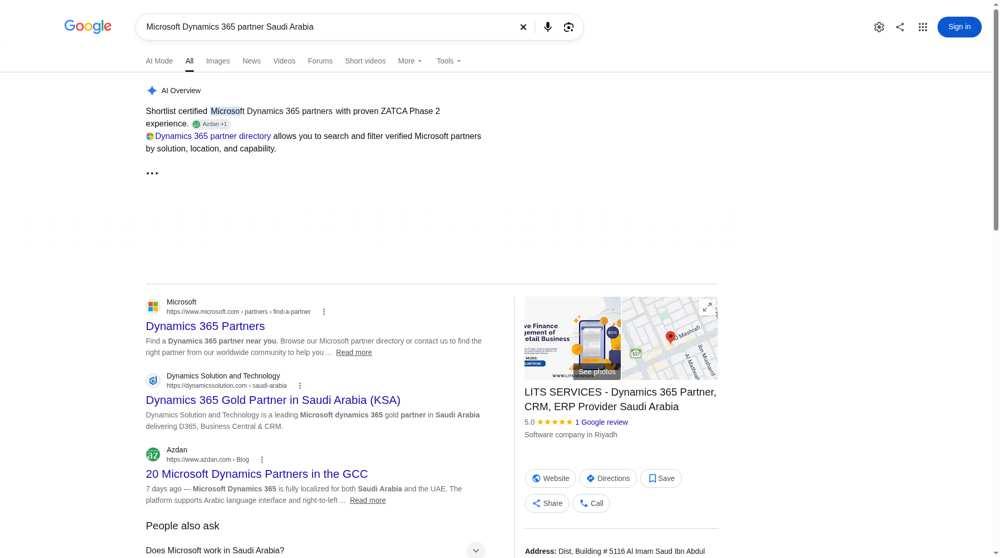
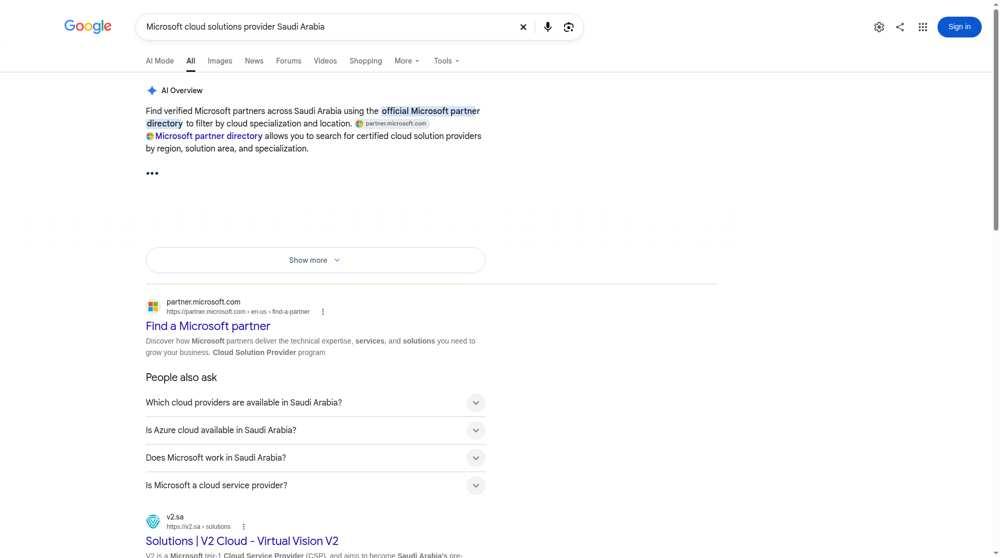
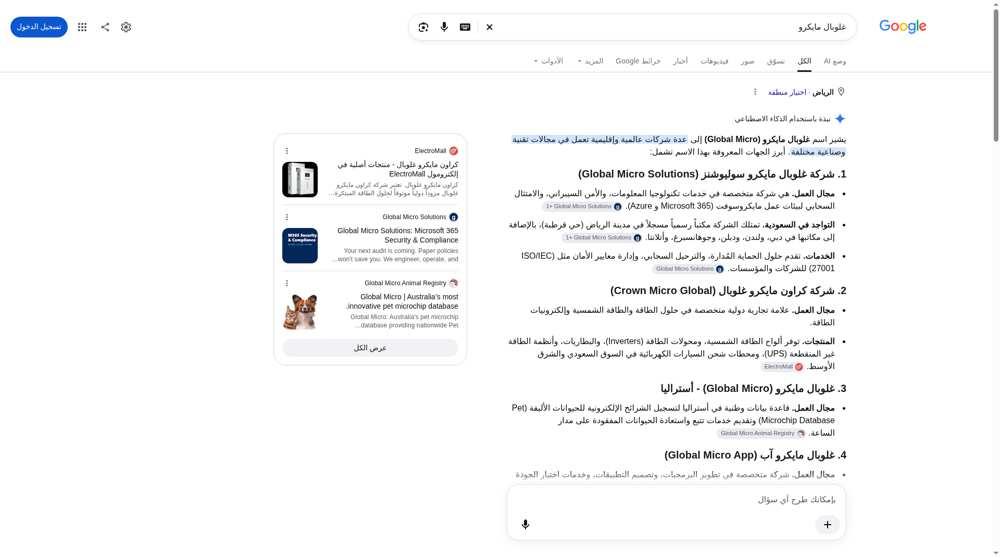
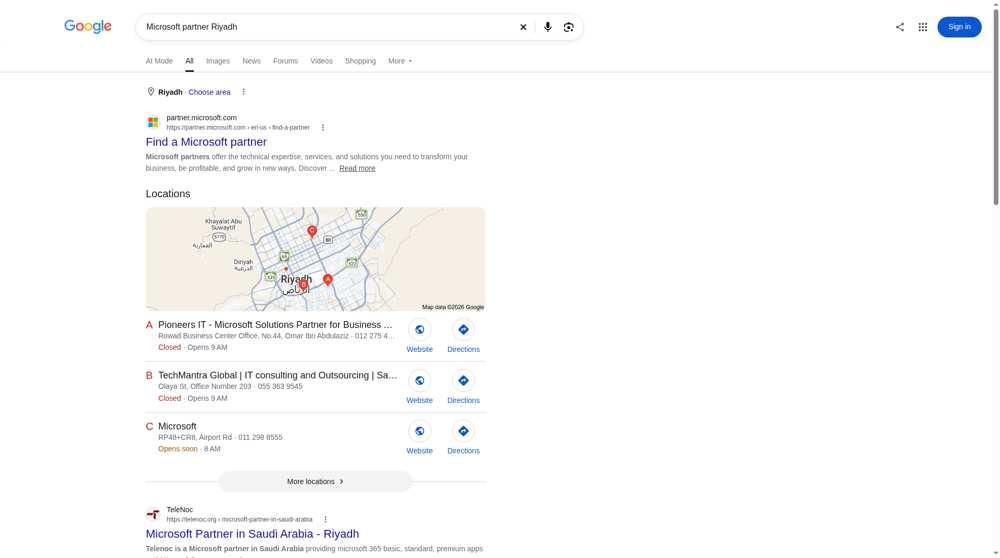
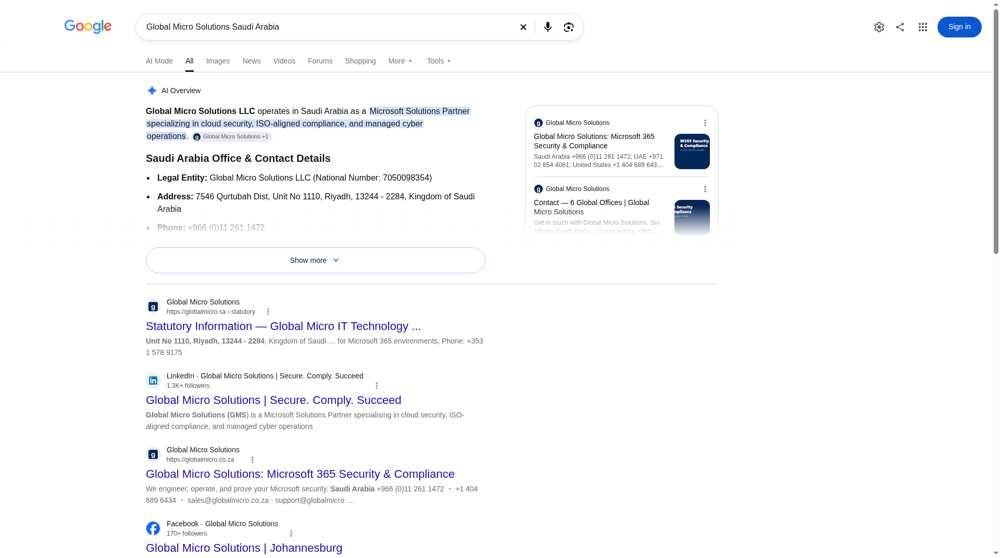
- Tested from a non-Saudi server only, with curl and Accept-Language set to ar-SA, en-SA and en-US. Nothing was tested from a real Saudi IP or VPN. The Google screenshots used google.com.sa with gl=sa, which localises results but isn't a Saudi IP.
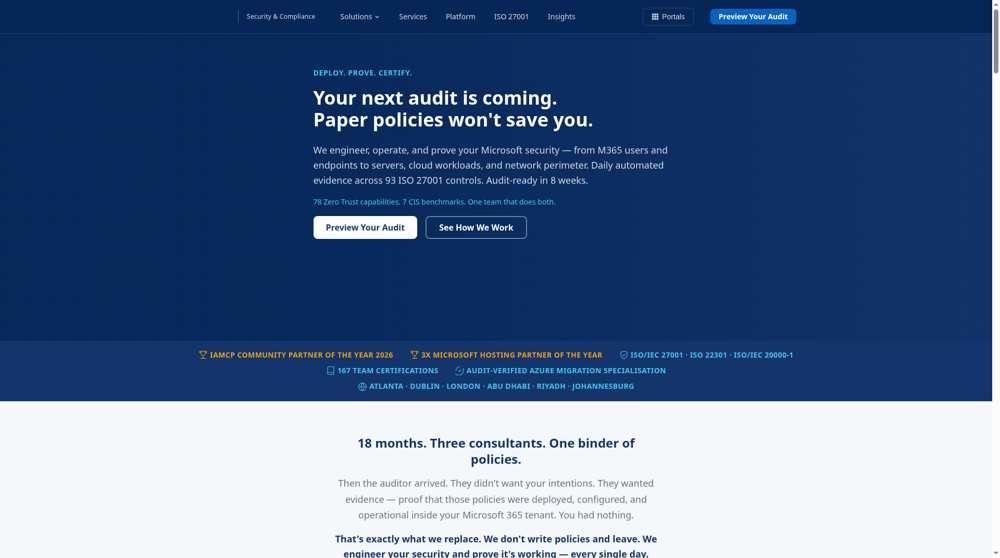
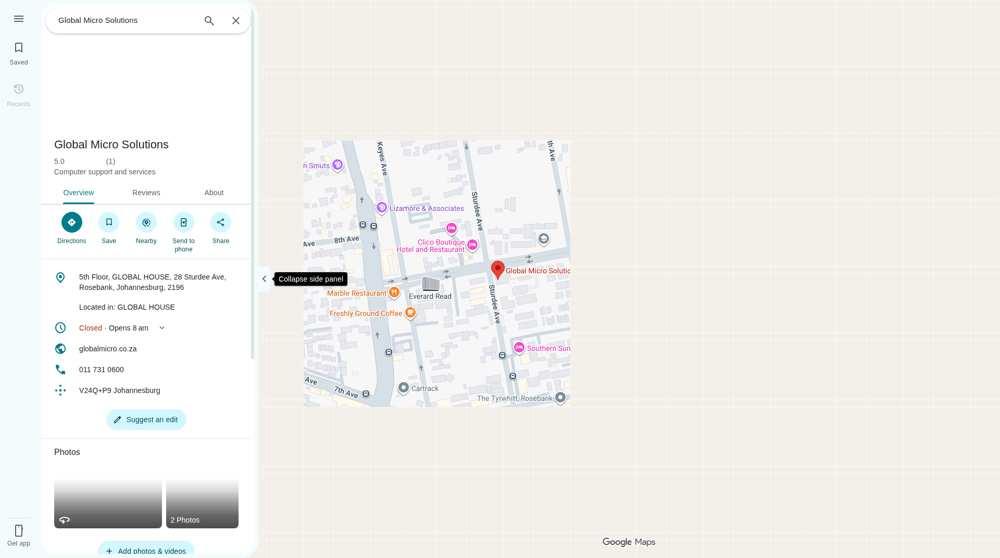
- globalmicro.com returns the same English (en-US) page for every language header: no redirect, no language detection and no country picker in the nav. Its Permissions-Policy blocks browser geolocation (geolocation=()). The Saudi office appears only as a phone number in the footer. A Saudi visitor to .com is very likely to stay on .com, but an IP-based redirect at the edge can only be ruled out 100% with a Saudi VPN test.
- www.globalmicro.com 308-redirects to globalmicro.com. globalmicro.sa, .ae, .co.za, .eu and .co.uk all return 200 with no redirects.
- Six domains share one Astro codebase and one hreflang cluster: en-US .com, en-ZA .co.za, en-GB .co.uk, en-IE .eu, en-AE .ae and en-SA .sa. x-default is globalmicro.eu, not .com.
- There's no Arabic (ar / ar-SA) in the cluster. Under Google's hreflang matching, an Arabic-language searcher in Saudi Arabia matches no language version, so Google will probably fall back to x-default, which is the Irish .eu site. That needs a live Search Console check to confirm.
- AI engines are already pooling signals on .com. In the GE GEO check for globalmicro.sa, globalmicro.com was one of the sites the AI drew on, and the LinkedIn page links to .co.za. Authority is split across six near-duplicate sites.
- globalmicro.de redirects to /en-gb and isn't in GMS's hreflang cluster, so ownership is unconfirmed. globalmicro.ie, .net and .com.sa didn't resolve.