








Competitive analysis for new products: mapping inertia, hacks, and “good enough”
This piece sits in Polymorph’s series on the seven fundamentals of great products. We’re on the fourth one: you are always competing, even when …
Talk to the product team that will tell you straight.
What to build, what to cut, and when not to build at all. Then we’ll help you build it properly, with AI doing much of the heavy lifting.
Sound familiar?
The money is committed and the scope is written, but nobody has tested the idea with the people who’ll use it. We do that first, so you only pay to build what works.
Validate the ideaSomething built quickly is about to carry real customers, real data or real money. We make it hold up, and give your team the product support to keep building the right thing.
Get product supportMore features rarely fix this. We look at how people really behave, find what’s getting in the way, and fix what will change usage.
Find out whyIt’s hard to see what each new spend buys you. We give you an independent view of where the product stands, so you can keep going, change course or stop.
Get a straight viewA rebuild is one of the biggest bets a business makes. We help you decide whether to rebuild, refactor or replace, and build it with you when it’s the right call.
Weigh up the rebuildDevelopers build what they’re told, and the business doesn’t get what it meant. Our product people sit in that gap and turn goals into clear priorities.
Close the gapAlmost anyone can build software now
We use AI throughout our own work too, so this isn’t careful versus fast. It’s fast, with people who’ve seen where software goes wrong and know which questions to ask.
Yes, we’re great at writing code. But building successful products is our superpower.
A working demo, quickly.
A product people use, that holds up.
What a straight answer looks like
We’ve found the most valuable thing we can offer is often a different question.
They wanted to add delivery. Done properly, that means drivers, integrations and new operations, which is a costly thing to build if customers don’t use it. We suggested running deliveries by hand from a handful of stores for a month first, to see whether sales actually move.
They planned a product around the feature they wanted to offer. Without testing it, they risked investing heavily in something their users didn’t need. Our concept research looked past the brief to what teachers and students needed in the classroom.
If custom software isn’t the right lever, we’ll tell you, even when that means we don’t build anything. Have you considered what a month of testing by hand could tell you?
Some of the teams we’ve built with

















Built to hold up


 Mobile, Front end
OneDayOnly needed a mobile app that could carry a 24-hour sale. We built it in close cooperation with their own engineering team, and it passed 515,000 installs in its first year.
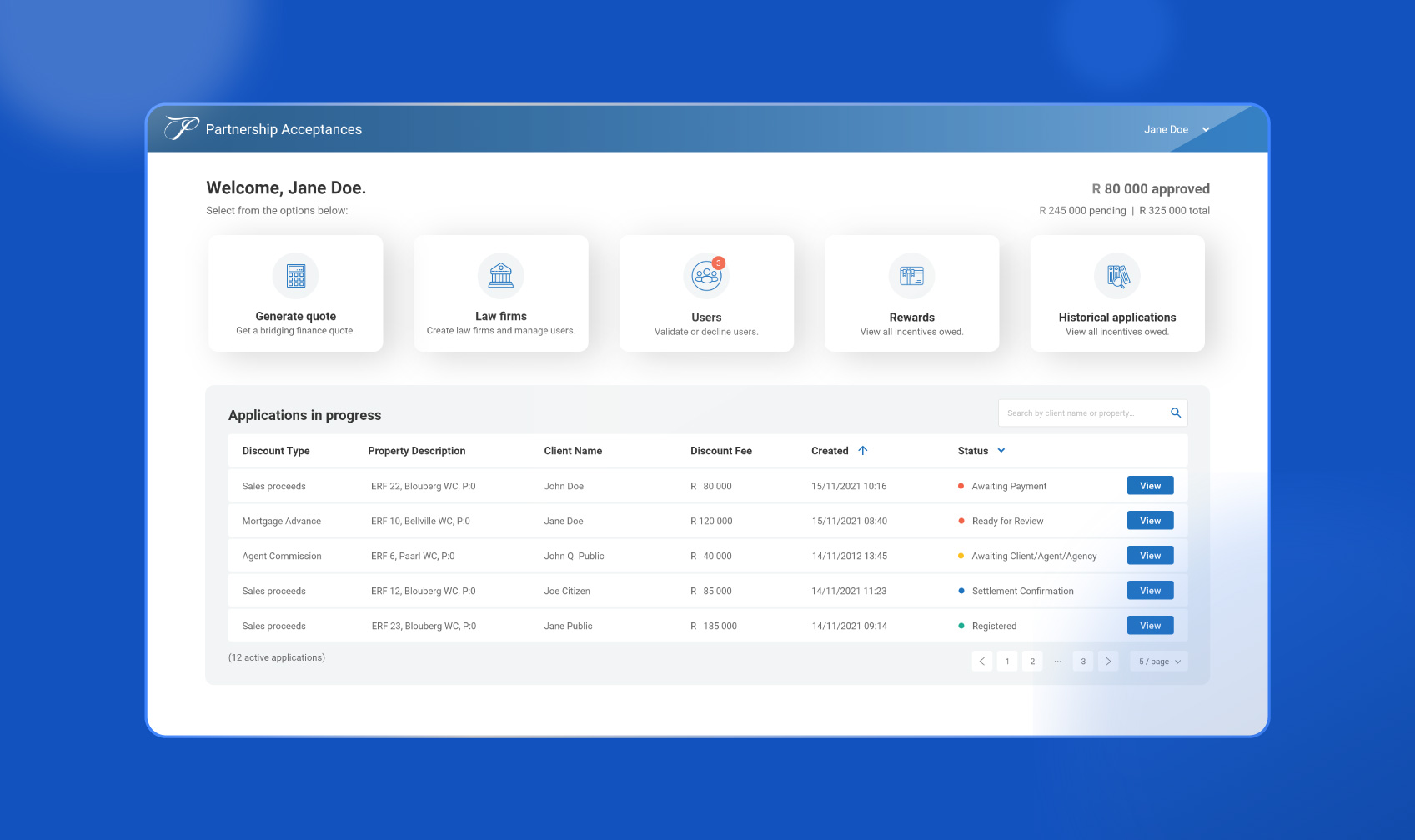
Integration, Backend, Front end, UX designPartnership Acceptances worked with us on a paperless bridging finance and banking administration app. We started with a concept design, then built it across integration, backend, front end and UX.
What our clients say about us
When you’re ready to build
Not sure it’s worth building yet? We test the idea with the people who’ll use it and question the assumptions that matter, so your budget is spent on what will actually work. Sometimes the best advice is to wait.
Find out moreHave a concept ready to build? We design and build your product for you, or alongside your own team. AI does much of the heavy lifting on code, and our product, UX and engineering people make sure it’s the right thing, done properly.
Find out moreYour team can ship fast. We help them ship the right thing. AI makes it easy to rush product decisions, so we bring the product thinking that keeps a launch from falling flat, and keep your live software secure and running.
Find out moreWant your wider team working faster with AI, even without a new product? Ask us about AI Process Sprints.
Learning is part of our DNA
This piece sits in Polymorph’s series on the seven fundamentals of great products. We’re on the fourth one: you are always competing, even when …

This piece sits in Polymorph’s series on the seven fundamentals of great products. We’re on the third one: turn ideas into value hypotheses you …

This piece sits in Polymorph’s series on the seven fundamentals of great products. We’re on the second one: move from “who is the user?” …